


Title: Cocoa Livelihoods Programme
Location: Philippines
Client: Ministry of Foreign Affairs & Trade New Zealand
Partners: People in Need NGO
Years: Funded 2018-2022 but continues to date
Challenge:
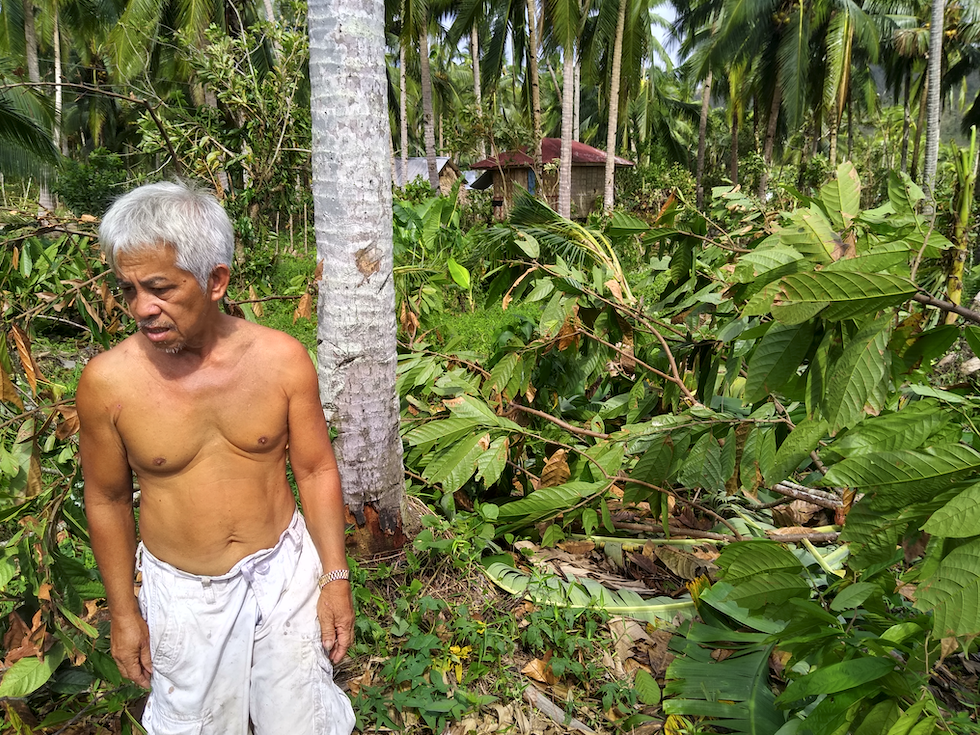
In Eastern Samar, farming communities have long lived with uncertainty. Recurring typhoons, limited market access, and the collapse of traditional livelihoods left many families struggling to rebuild after each shock. Cocoa was introduced as a new crop to complement coconut farming, offering an alternative source of income, yet the sector remained underdeveloped with low productivity and limited market connections.
Joint Response:
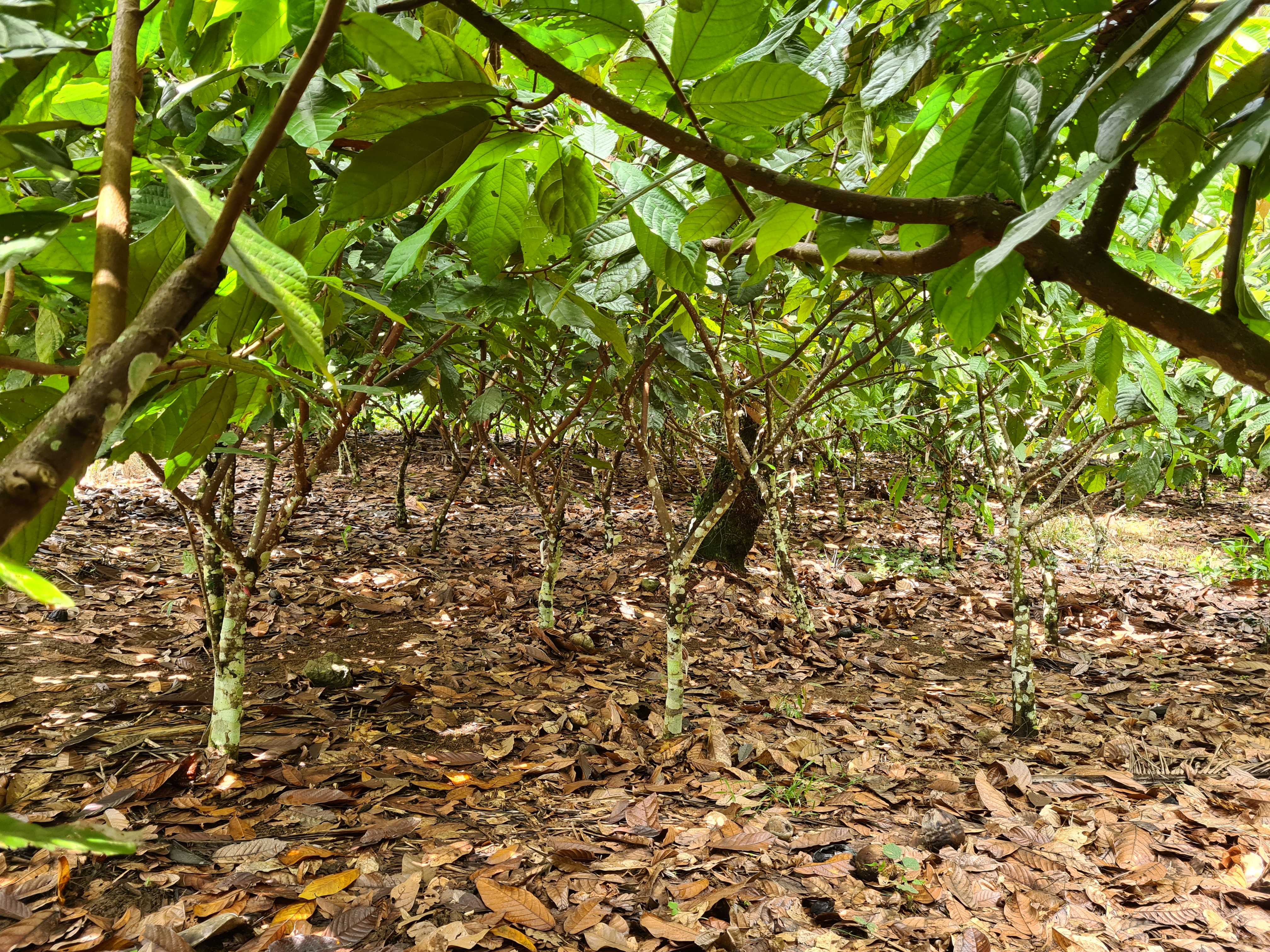
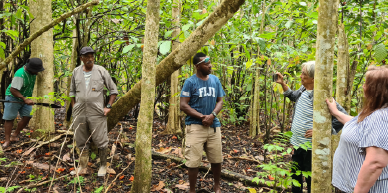
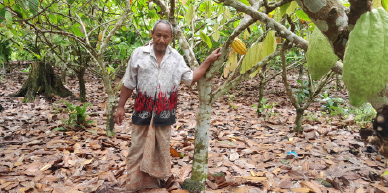
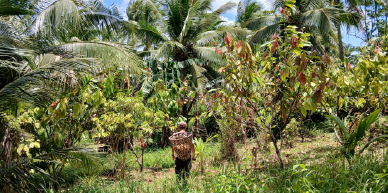
The programme began by working closely with farmers to establish cocoa as a viable and sustainable livelihood. Through practical training and continuous support, cocoa was integrated into existing farming systems alongside coconut, banana, and other crops. These diversified systems improved productivity while strengthening resilience, enabling farmers to better withstand and recover from extreme weather events.
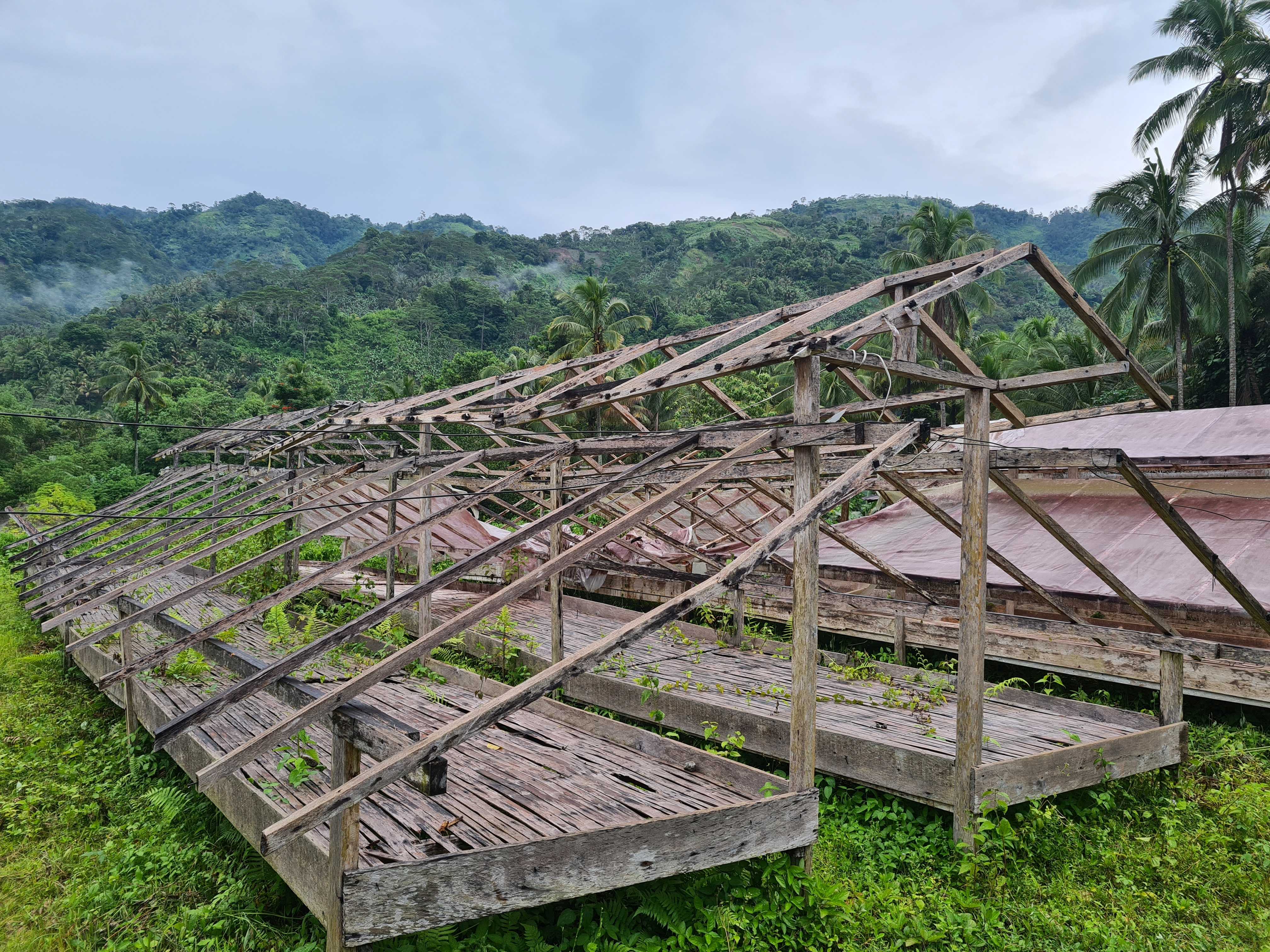
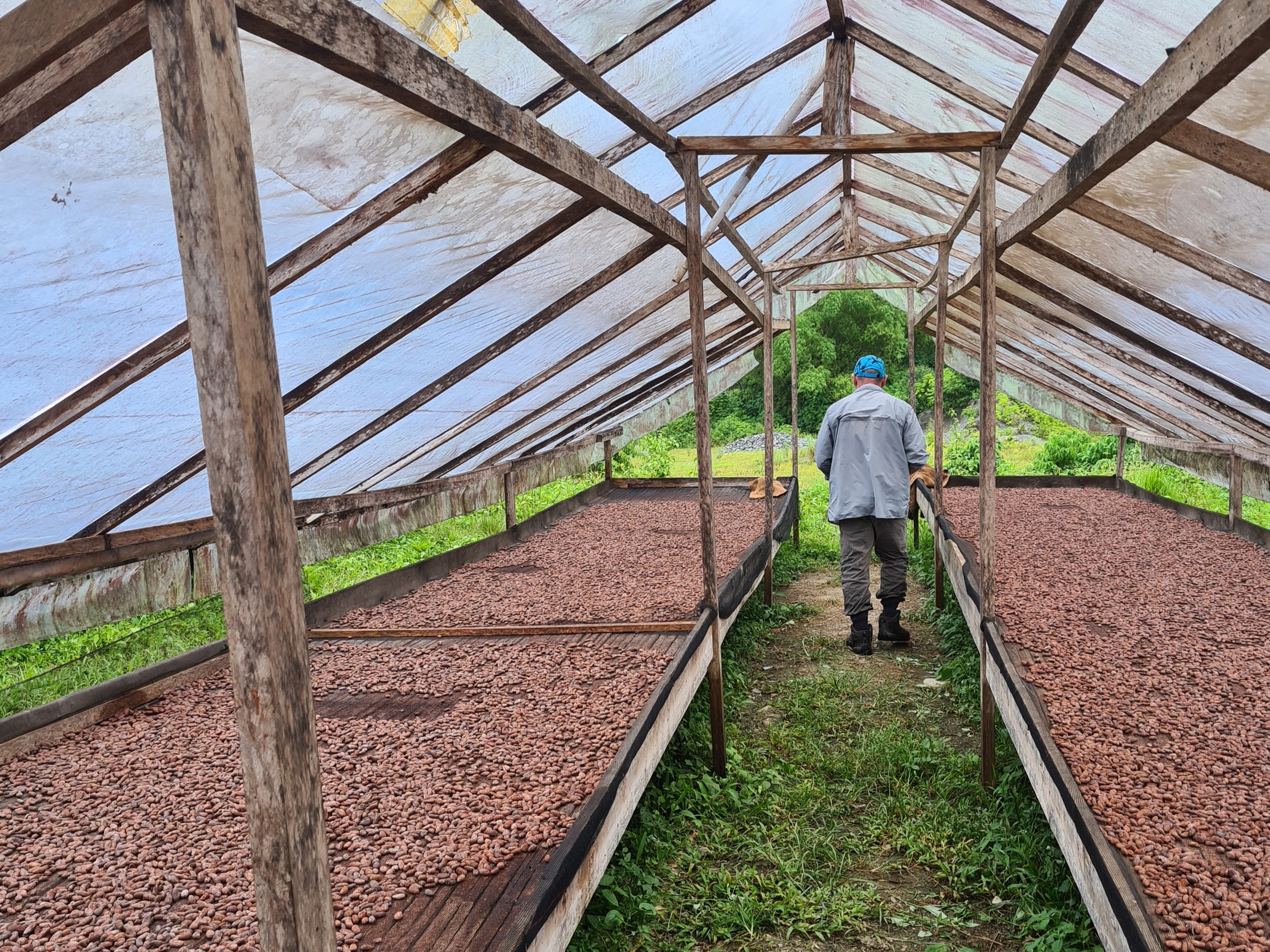
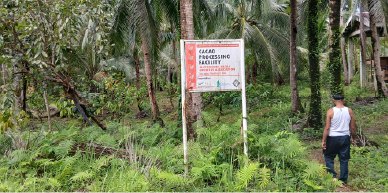
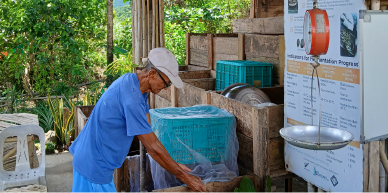
As farms developed, the focus shifted to building a functioning value chain. Processing facilities were established, local operators trained, and farmers connected to buyers in Manila and beyond. What was once a fragmented and uncertain activity, became a coordinated system, where quality cacao could move from remote farms to premium markets.
Impact:
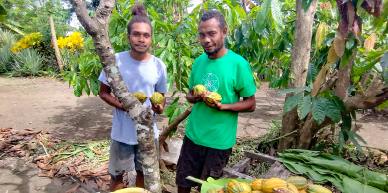
Today, the change is visible. 300 farmers continue to invest in cacao while new growers are joining, and Eastern Samar beans are reaching both national and international markets. What began as a complementary crop has grown into a pathway for resilience and opportunity—supporting rural incomes and helping communities build a more secure future.
Title: Cocoa Livelihoods Programme
Location: Philippines
Client: Ministry of Foreign Affairs & Trade New Zealand
Partners: People in Need NGO
Years: Funded 2018-2022 but continues to date
Challenge:
In Eastern Samar, farming communities have long lived with uncertainty. Recurring typhoons, limited market access, and the collapse of traditional livelihoods left many families struggling to rebuild after each shock. Cocoa was introduced as a new crop to complement coconut farming, offering an alternative source of income, yet the sector remained underdeveloped with low productivity and limited market connections.
Joint Response:
The programme began by working closely with farmers to establish cocoa as a viable and sustainable livelihood. Through practical training and continuous support, cocoa was integrated into existing farming systems alongside coconut, banana, and other crops. These diversified systems improved productivity while strengthening resilience, enabling farmers to better withstand and recover from extreme weather events.
As farms developed, the focus shifted to building a functioning value chain. Processing facilities were established, local operators trained, and farmers connected to buyers in Manila and beyond. What was once a fragmented and uncertain activity, became a coordinated system, where quality cacao could move from remote farms to premium markets.
Impact:
Today, the change is visible. 300 farmers continue to invest in cacao while new growers are joining, and Eastern Samar beans are reaching both national and international markets. What began as a complementary crop has grown into a pathway for resilience and opportunity—supporting rural incomes and helping communities build a more secure future.